

Generic AI doesn't know your data. R.Ai understands your business.
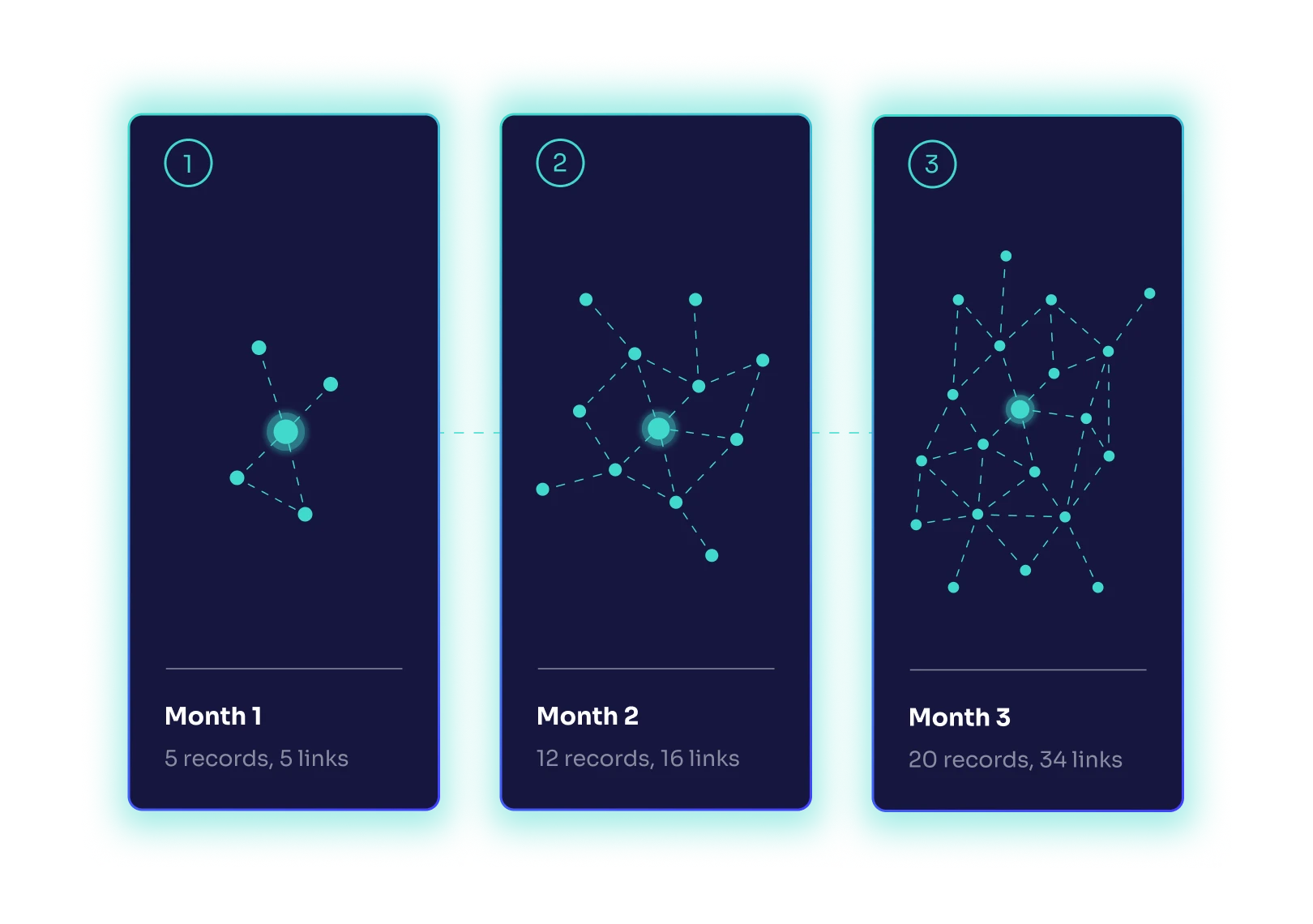
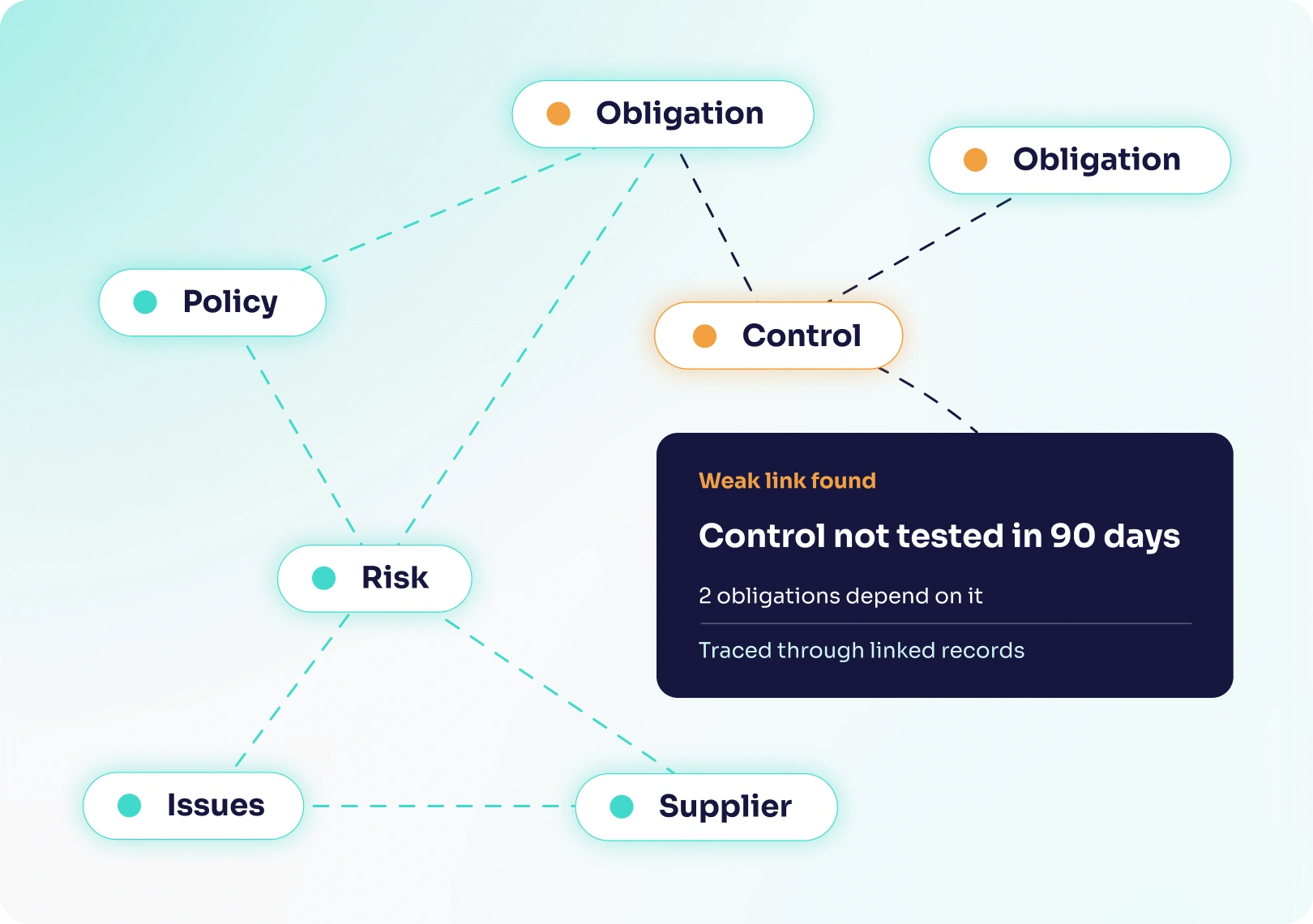
It isn't a chatbot bolted onto a database. R.Ai reads your governance as connected, typed records, so it knows what a control is, what it mitigates, which obligations it covers, who owns it and when it was last tested. It’s like the nervous system of your business with everything connected. Every answer links back to the specific record it came from, which means when someone asks how a rating was reached or why a control was added, there's a real answer waiting for them. Fewer assumptions. Fully traceable. Regulator-ready.
Let us show you how(opens in a new tab)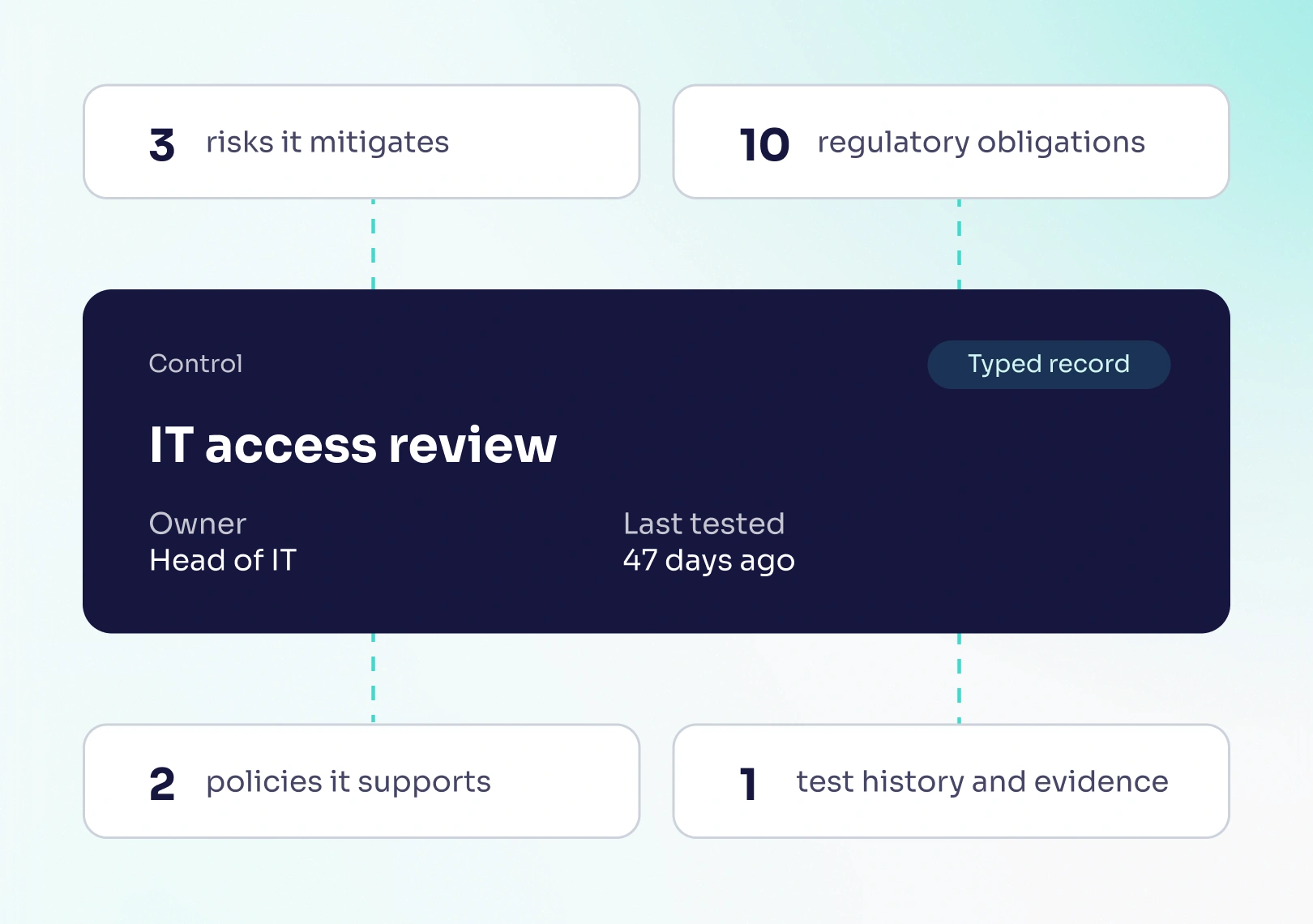
Time back: Up to 70% less time spent drafting
Your team starts from a strong first draft, not a blank page. Two lines become a complete, linked issue record, and reports get written without the copy and paste.
Process compression: A 2-week policy review, done in 1 day
Whole governance processes, like an RCSA or a policy review cycle, collapse into a single pass.
Quality you can trust: 98% of R.Ai control suggestions accepted
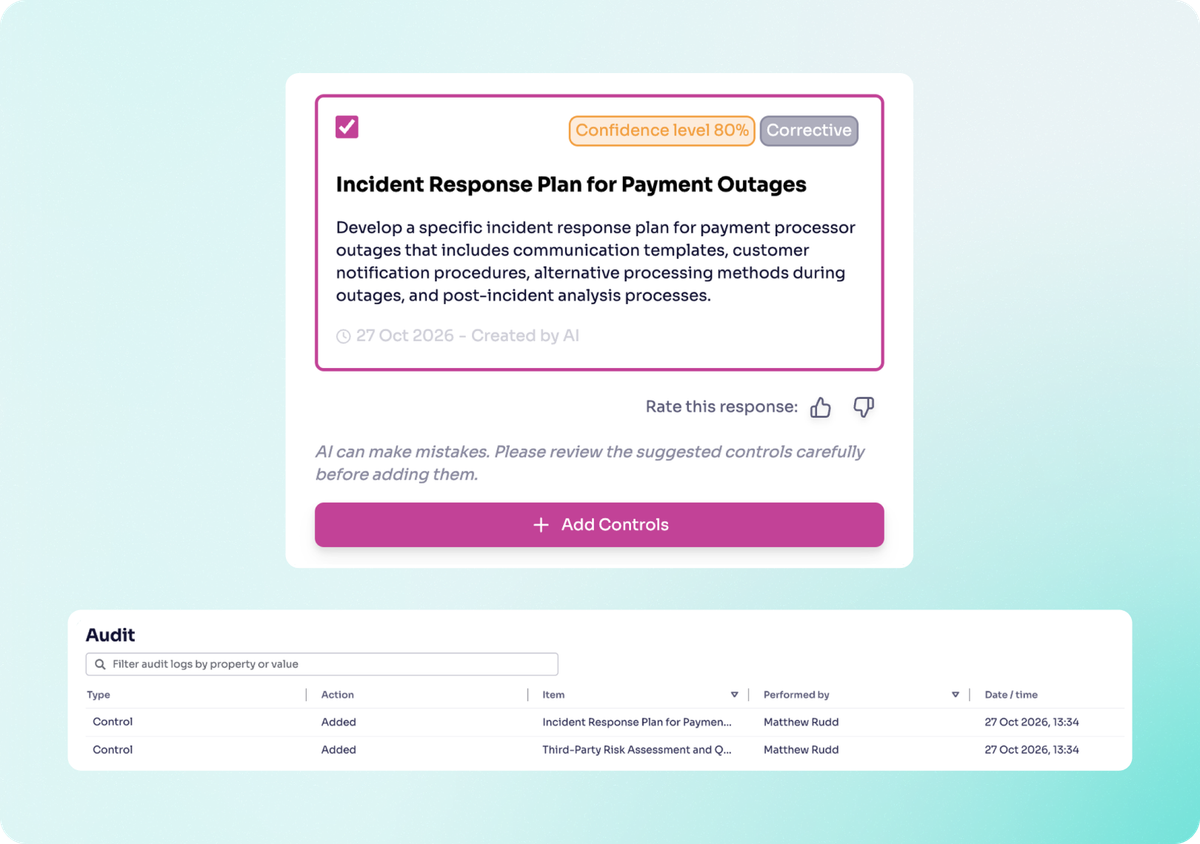
The suggestions come in your own taxonomy and are relevant enough that teams keep them. Every answer links back to the record it came from.
How R.Ai helps your risk management
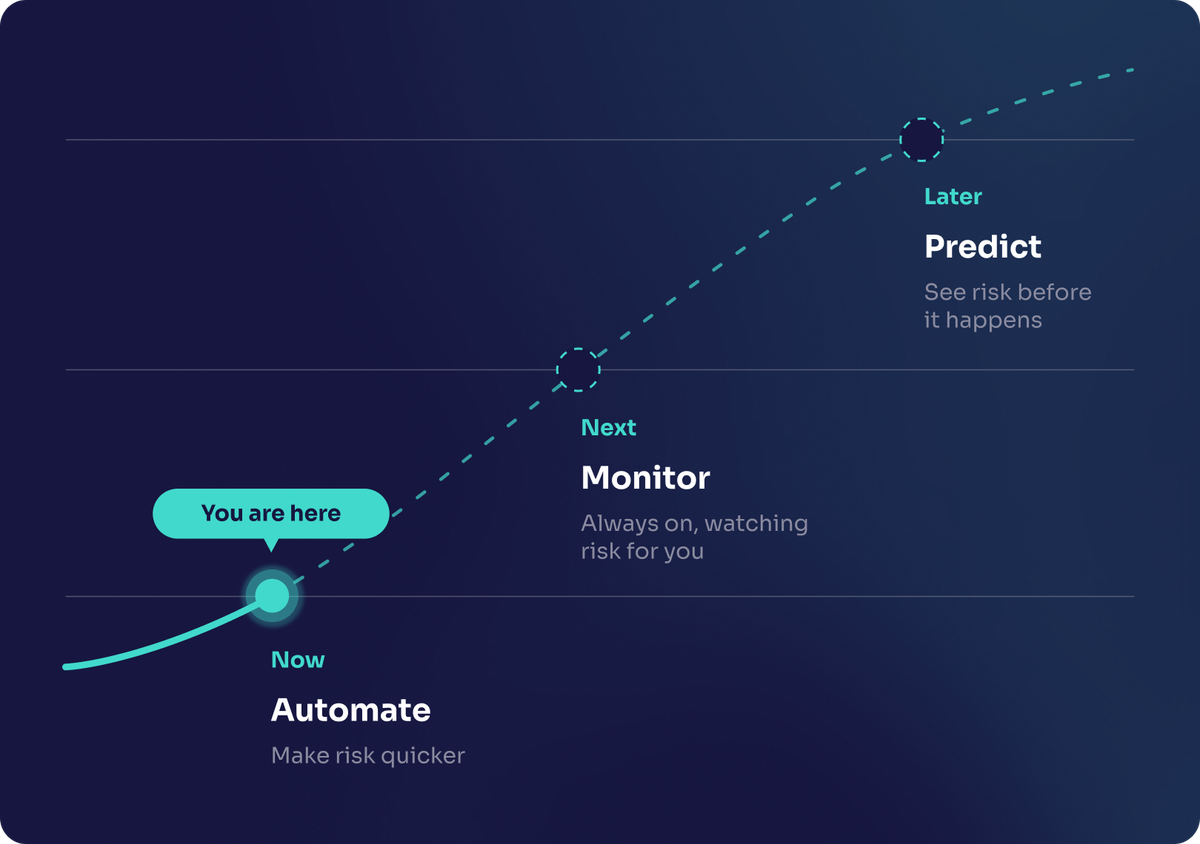
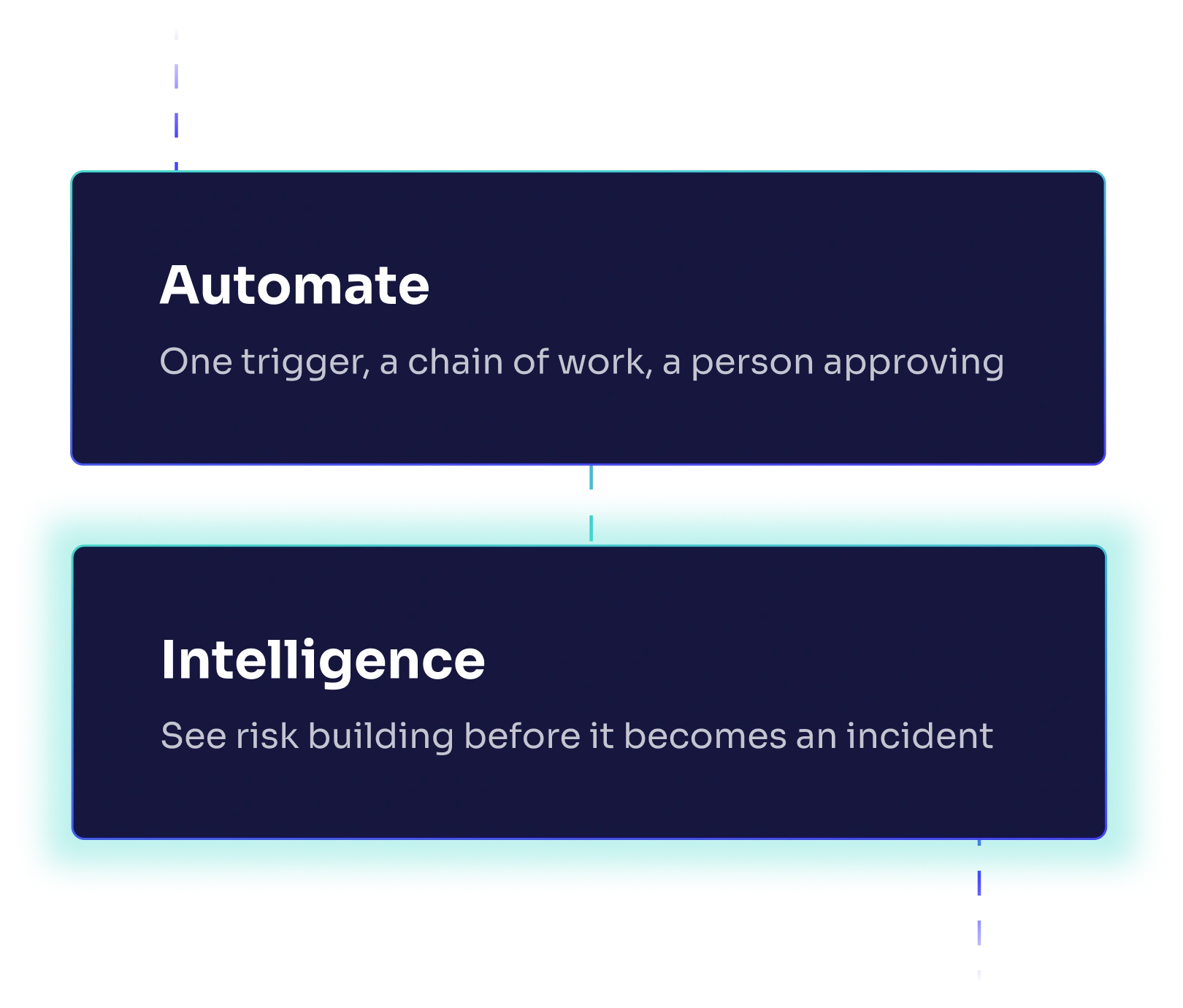
Automate: Agents that do the GRC legwork
One trigger runs a chain of work across modules, with a person approving before anything commits. Issues are triaged and routed to the right owners. Evidence is collected and test cycles are chased automatically. Supplier DDQ answers land straight in the supplier record. Attestation cycles run against the right population. Owners get a nudge as actions approach their due date. The admin disappears, and the work routes itself.
Intelligence: Risk management that looks forward, not back
Intelligence learns from every record and action to forecast exposure, surface emerging risk and recommend the next move. Continuous control monitoring catches drift before it compounds. Predictive scoring shows which controls and risks deserve attention now. Regulatory horizon scanning keeps upcoming changes in view. Audit readiness plans give you a clear path rather than a last-minute scramble. Risk management stops being reactive.
Four everyday examples, before and after R.Ai
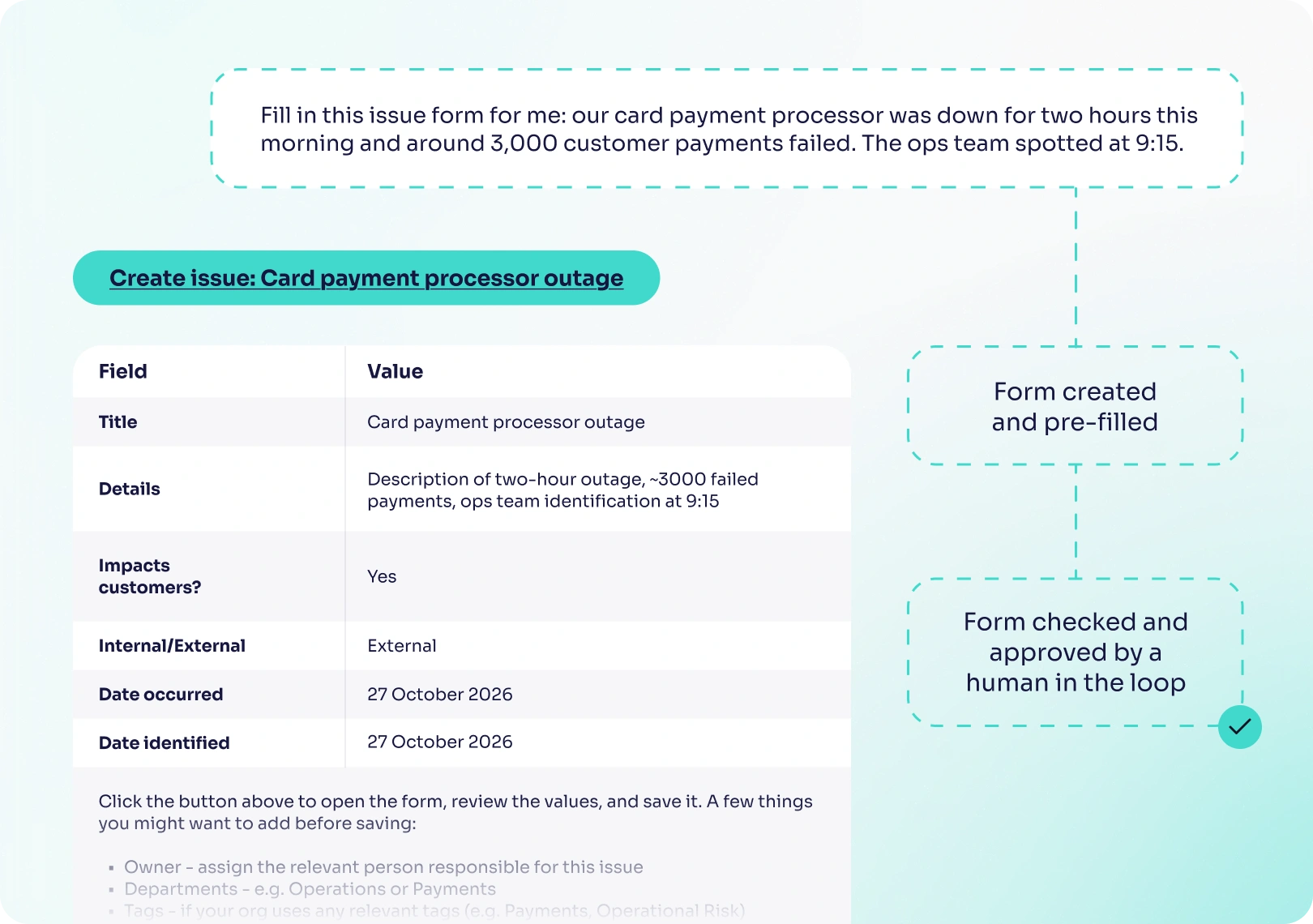
An issue is raised
Before R.Ai, a compliance officer would triage the inbox and rebuild the context by hand. Now a colleague types two lines and R.Ai writes up the issue, sizes it by type, links it to the risk and obligation it touches, and drafts an action plan with owners and due dates. A complete record, from a sentence.
Book a demo(opens in a new tab)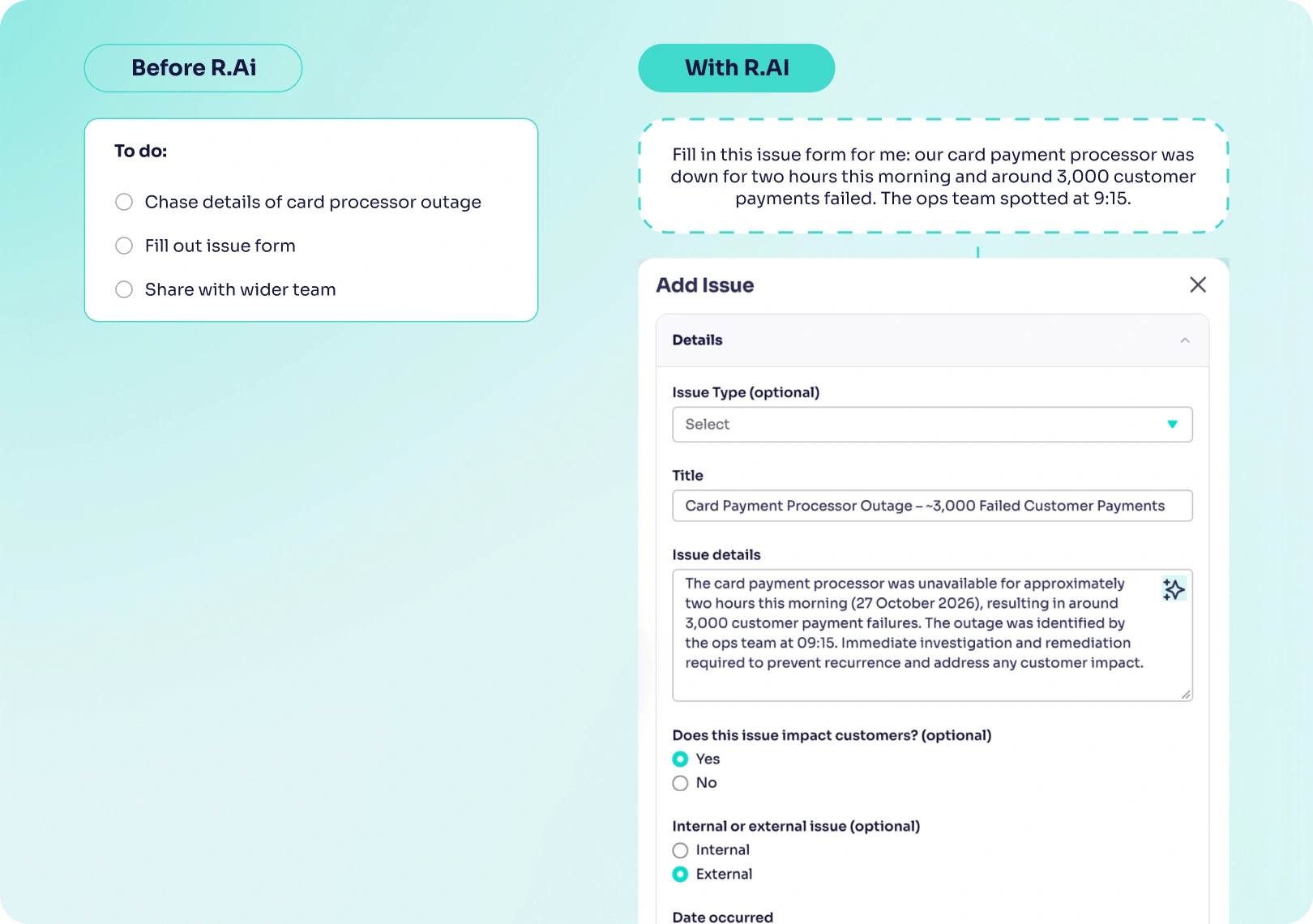
A policy falls due
Where once someone reworked last year’s document and chased stragglers on a spreadsheet, R.Ai steps in when the review date arrives. It prepares a draft update, writes a plain-language summary for everyone who has to attest to it, and runs the attestation cycle against the right population automatically.
Book a demo(opens in a new tab)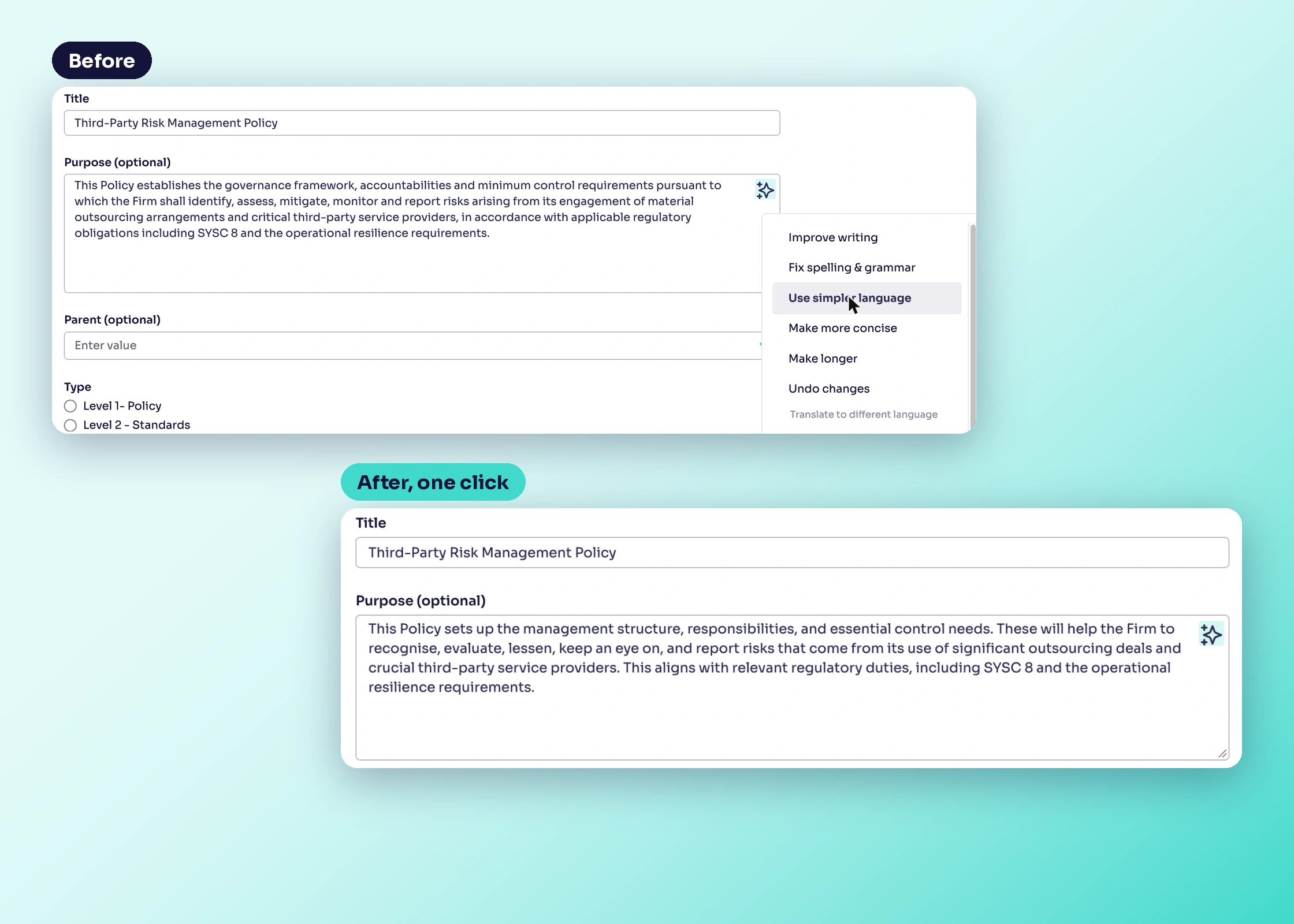
A new risk is written
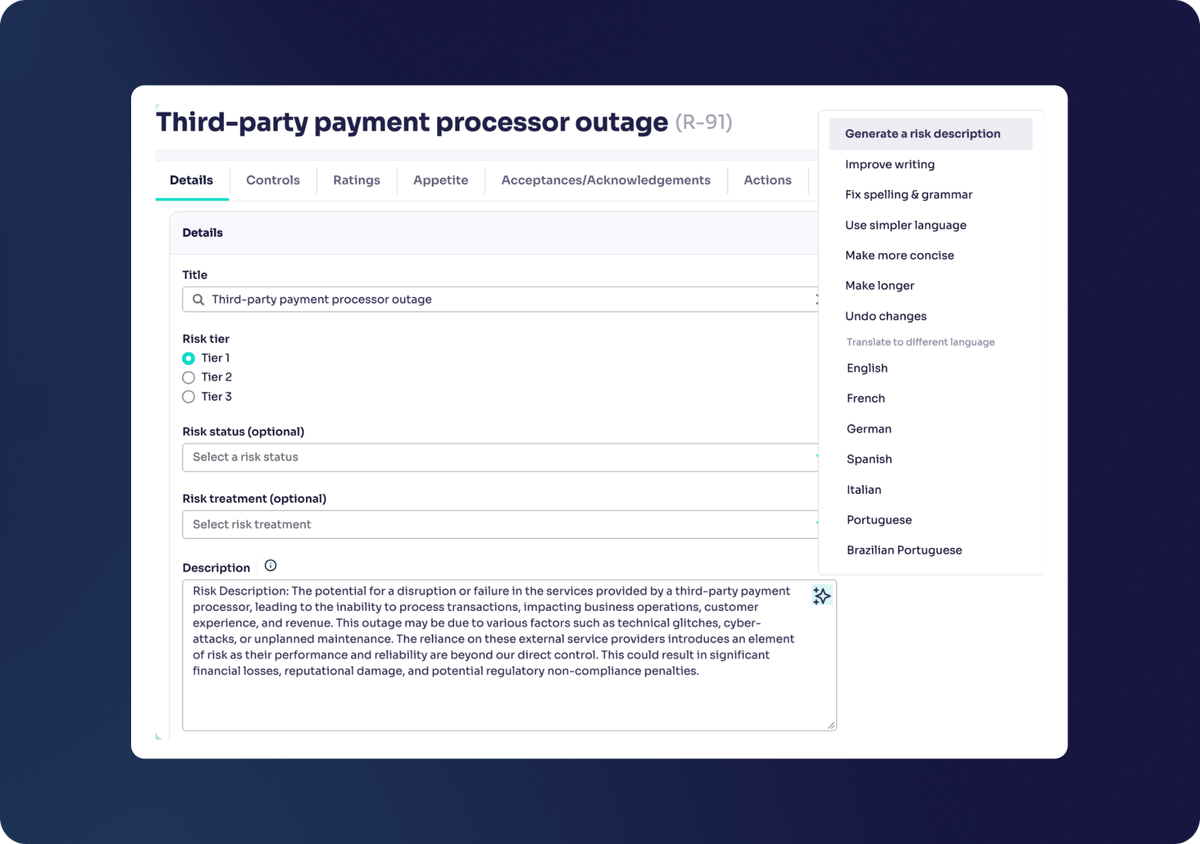
Control design used to depend on who was in the room and what they remembered. Now a first-line owner writes a risk in their own words and R.Ai suggests the controls that belong against it, in your taxonomy rather than a generic library, recording what you accepted and what you rejected.
Book a demo(opens in a new tab)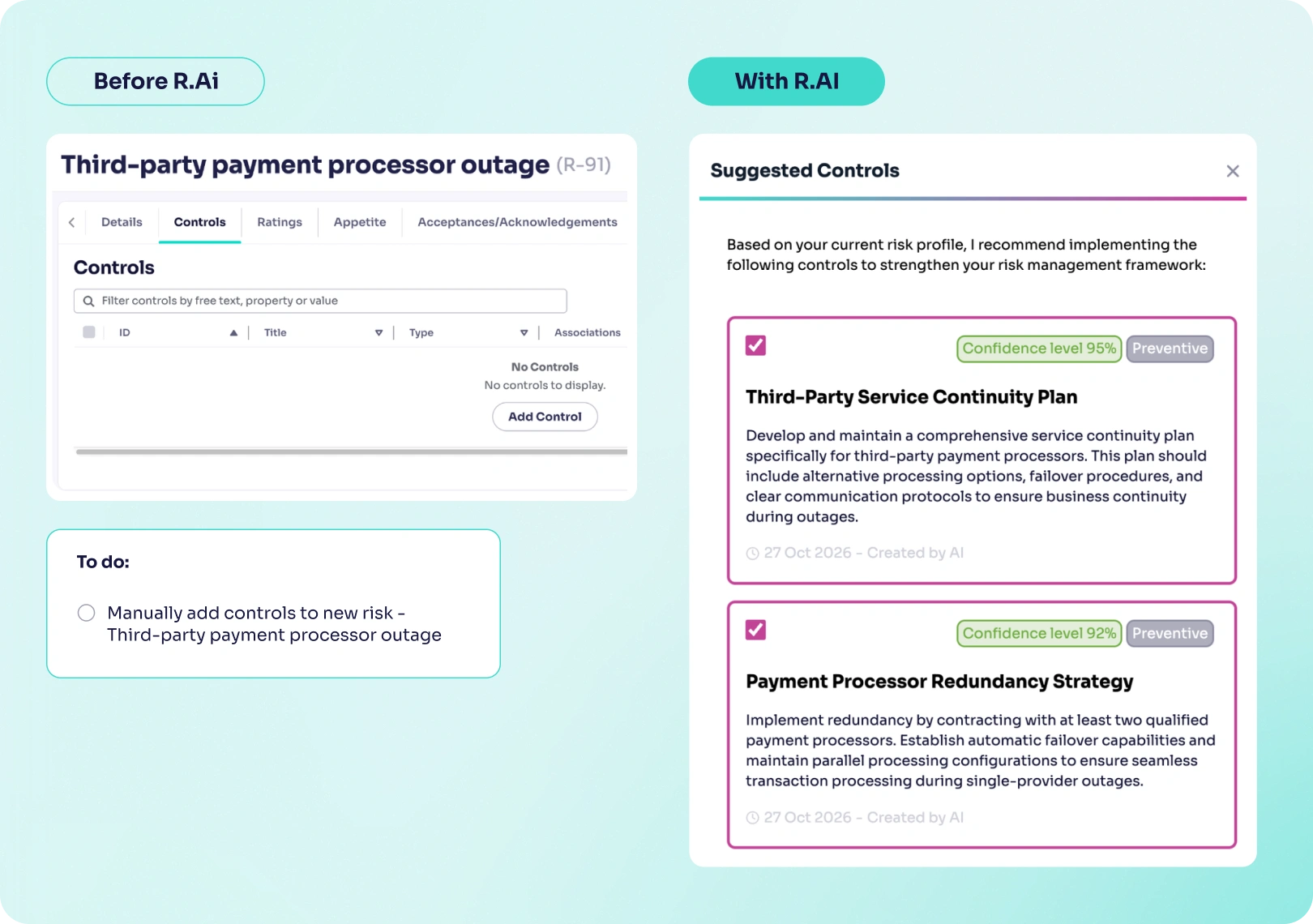
A supplier returns a DDQ
Answers used to be read in a PDF and re-keyed, or never reach the register at all. Now a 120-question due diligence response comes back through the vendor portal and updates the supplier record directly, with evidence attached to the right fields and exceptions flagged for review.
Book a demo(opens in a new tab)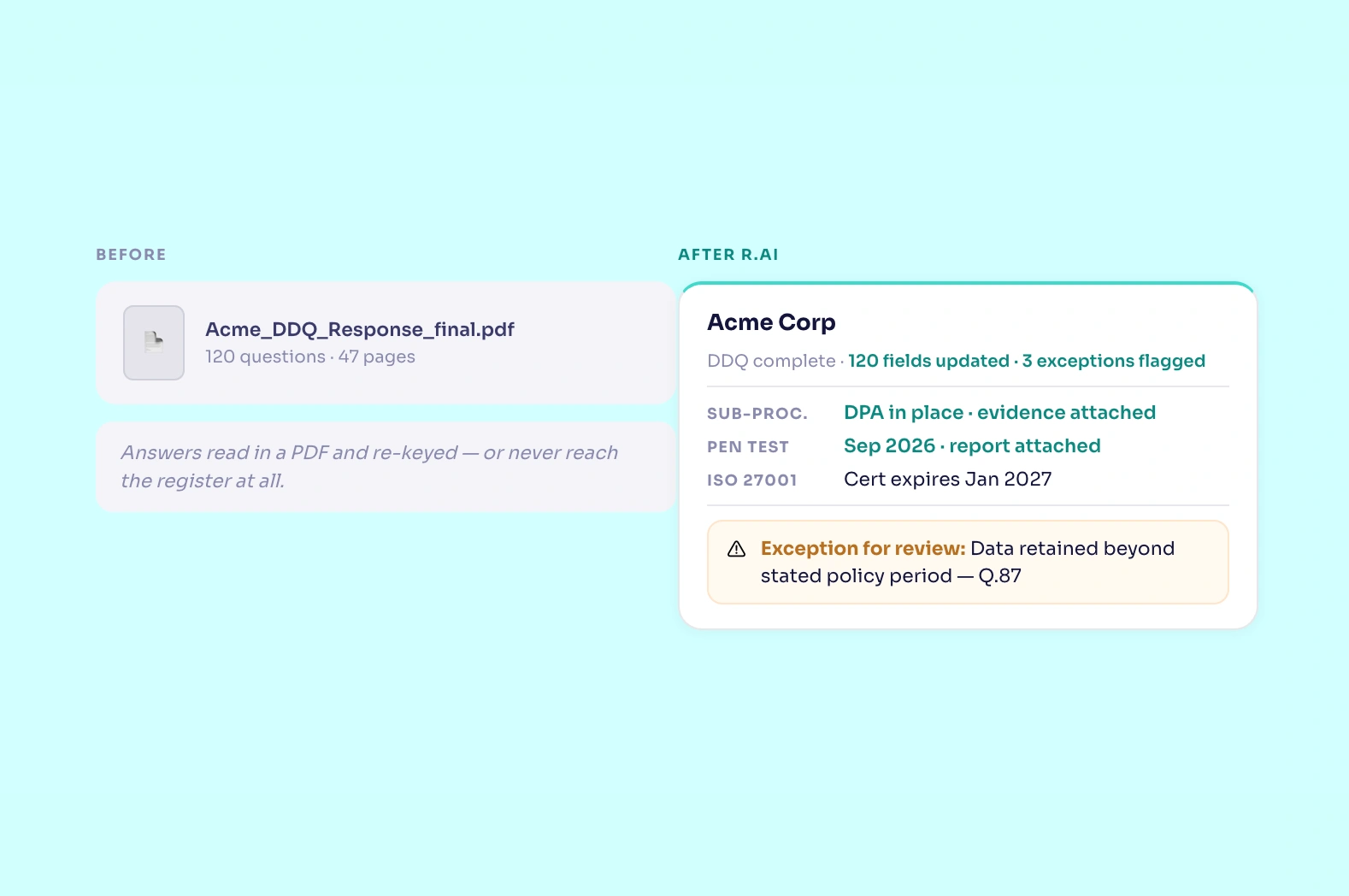
Find
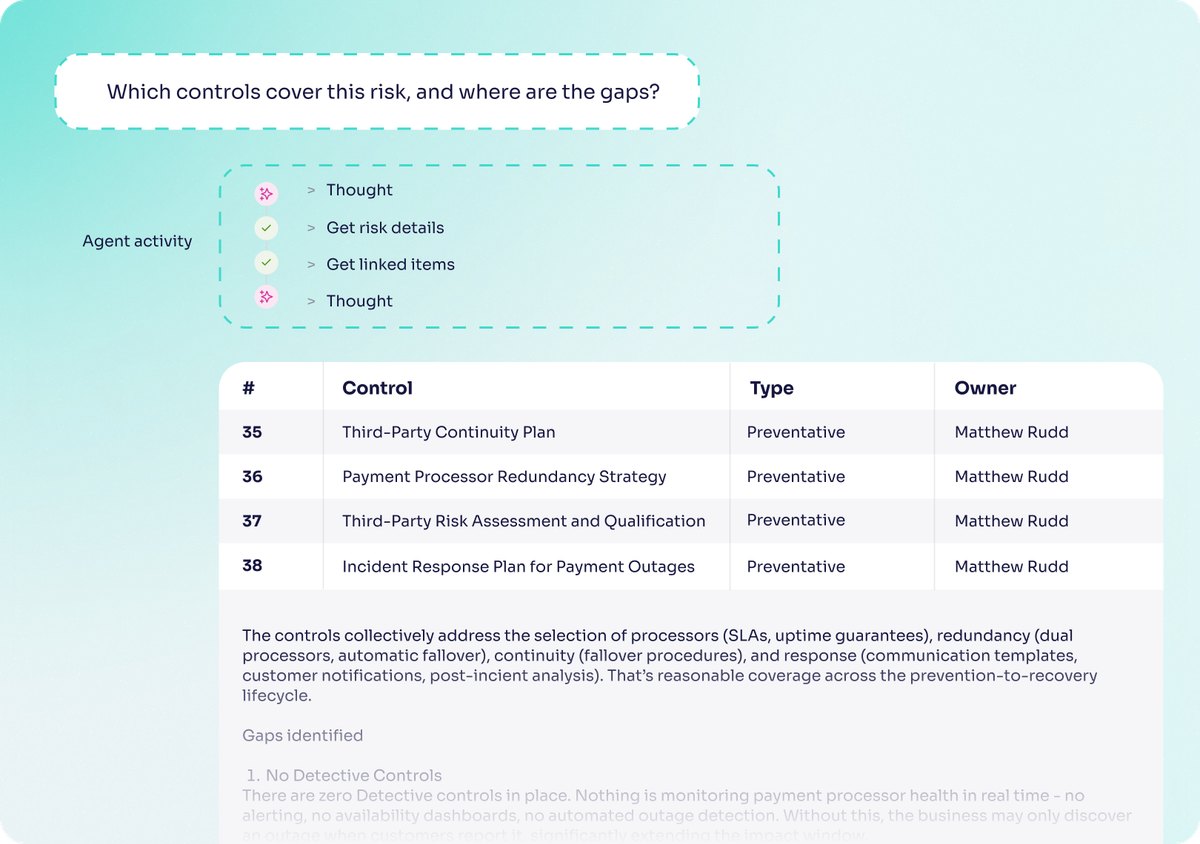
Ask in plain language. Get answers drawn from your registers, with the records behind each one.
Create
Creates action plans, risk assessments and reports in minutes, all built from your data and your business.
Suggest
Proactive, predictive insight on what needs attention before it becomes and issue, and which controls should mitigate an issue.
Help
Not sure where something lives in RiskSmart. Ask R.Ai. It knows its way around the platform.